FAQ
Stay informed and explore the answers to the most frequently asked questions on our FAQs page, Find the information you need quickly and easily

Heating Radiators
Frequently Asked Questions.In Egypt, heating systems are typically based on gas boilers and radiators
These systems work by using gas to heat water, which is then circulated through a network of radiators in the building to provide warmth
The radiators work by transferring heat from the hot water to the surrounding air, warming the room, This method of heating is known for its cost-effectiveness and efficiency
Gas heating systems are typically in Egypt are a cost-effective and energy efficient solution to heat homes and buildings
They provide consistent warmth and are relatively inexpensive to operate, compared to electric heating systems
This makes them an attractive option for those looking for an affordable and efficient way to heat their homes or buildings
Another advantage of this type of system is that it can be easily controlled and regulated to provide heat to specific areas of the home
This allows for greater flexibility and energy efficiency, as the heat can be turned on and off as needed, rather than heating the entire home or building all the time
Yes, it is possible to install a radiator-based heating system after the completion of finishing work, The installation can be done in two ways:
- Through cutting holes in walls and install pipes inside
- Or by install pipes from outside the house without cutting into existing walls
It is important to have a specialized heating company to assess the the project and inspect the finished unit to determine the path of the pipe network, as the path of the heating network can vary depending on the unit and the type of existing walls, flooring, and the location of the radiators, The heating company should also consider the compatibility of the existing plumbing and electrical systems before installation
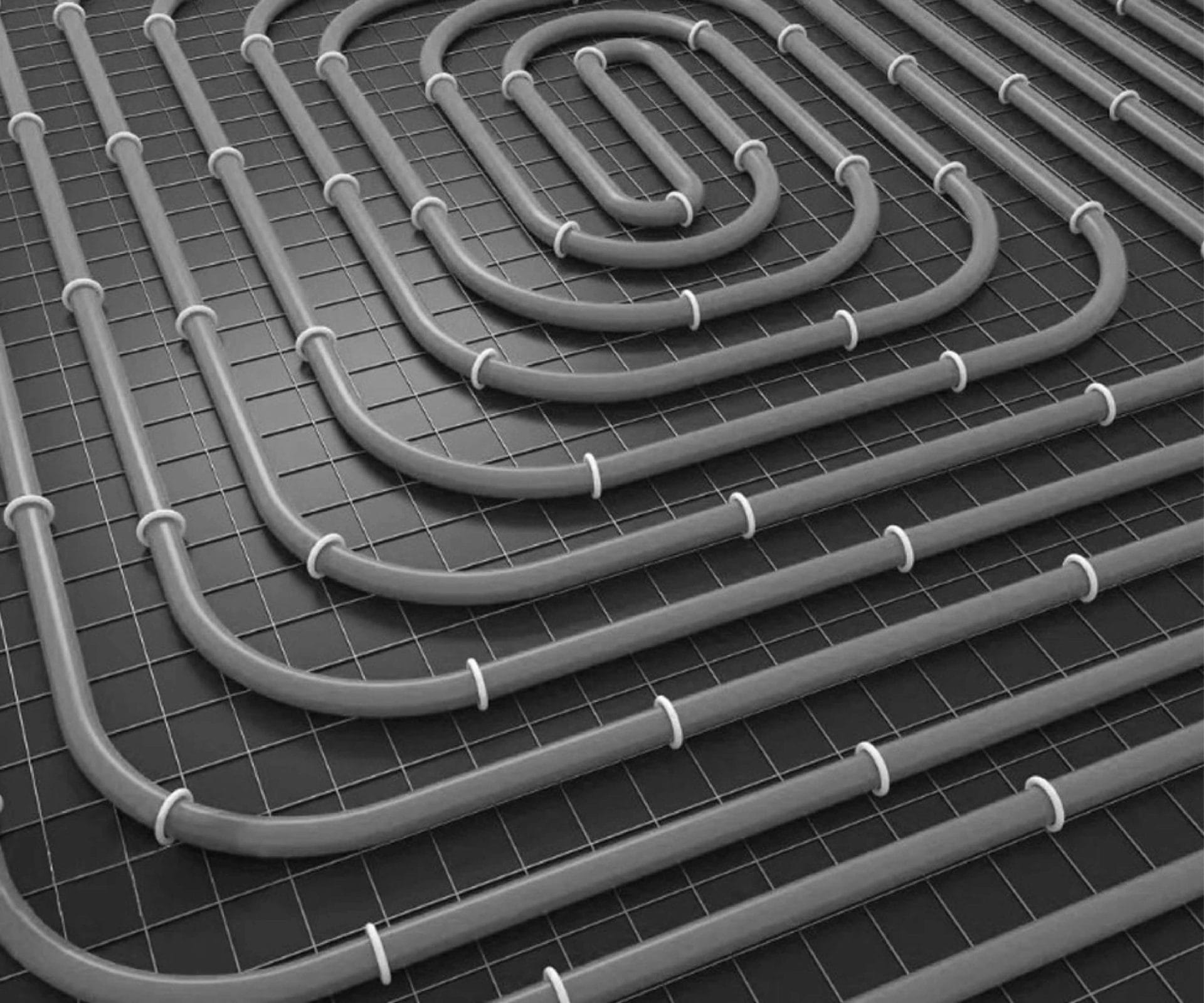
Underfloor heating is a comfortable and efficient way to heat your home, Instead of using radiators, warm water is circulated through pipes that are installed under the floor, This creates a warm and cozy environment, as the heat is distributed evenly throughout the room, eliminating cold spots and drafts
Not only is it more comfortable, but it also saves space and can be a more energy-efficient option, making it a great choice for those looking to improve their home’s heating system
The main components of a hydronic (water-based) underfloor heating system include:
Heat source: This is typically a boiler, It provides the energy needed to heat the water that will be circulated through the system
Distribution system: This is the network of pipes that are installed under the floor, They are used to distribute the hot water throughout the room
Control system: This includes thermostats and other devices that are used to regulate the temperature and control the flow of heat
Underfloor heating is generally considered safe for children, as it does not have any exposed hot surfaces Additionally, the heat is distributed evenly throughout the room, which eliminates hot spots and drafts that can be a concern for children
It’s worth noting that hydronic underfloor heating systems can be considered as more safe than electric underfloor heating systems, because in case of hydronic systems, the water is heated first and then it flows through the pipes, whereas in electric systems the electric cables are heated directly and may cause burn if touched by accident
Installing underfloor heating after the completion of the finishing work can be done, but it is important to consider the type of flooring and the construction of the room
If the flooring is made of wood, then the costs and labor required to install the system may be less than if the flooring is made of tile or ceramic
This is because if the flooring is wood, it can be removed and reinstalled with relative ease. However, if the flooring is made of tile or ceramic, these materials may be damaged or broken during the installation process, resulting in additional costs and waste
It is generally recommended to install the underfloor heating system before the final flooring is installed to avoid these potential issues
Underfloor Heating
Frequently Asked Questions.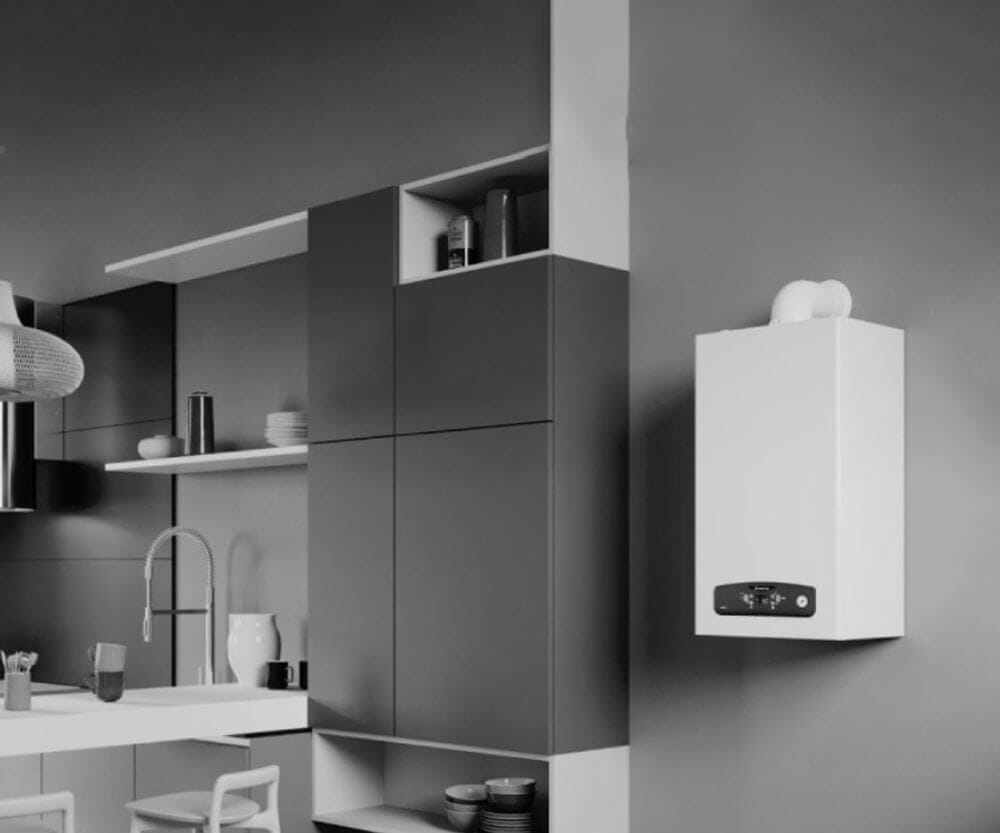
Domestic Hot Water
Frequently Asked Questions.A gas water heater, or it can be called a gas boiler, is a type of water heating system that uses natural gas or gas cylinder as a fuel source to heat the water, but it is larger than the usual gas heater
Gas is burned inside the unit, heating a metal tank filled with water, The hot water is then distributed to various fixtures and appliances throughout the home, such as the kitchen sink, shower and bathtub
Yes, there are two main types of gas water heaters: tank-type and wall-mounted (also known as tankless)
- Tank-type gas water heaters: These are the most common type of gas water heater, They have a large insulated tank that stores hot water until it is needed, The water is heated by a gas burner located at the bottom of the tank, When the hot water is used, cold water flows into the bottom of the tank and is heated by the burner
This type of water heater is generally less expensive to purchase and install than a tankless water heater, but it can be less energy efficient, as it heats and stores a large amount of water even when it’s not being used - Wall-mounted (Tankless) gas water heaters: These heaters don’t have a storage tank, instead they heat the water as it flows through the unit, this way it’s only heating the water you need when you need it
This type of water heater is more energy efficient than a tank-type water heater because it doesn’t have to heat and store a large amount of water. It’s also known as on-demand water heater, it heats the water only when a hot water tap is opened
However, they can be more expensive to purchase and install than a tank-type water heater
Yes, you can use the wall-Mounted gas heater to heat water, as well as to serve as a source for hot water to be sent to the radiators network or underfloor heating network
Gas water heaters are more energy efficient than electric water heaters, as natural gas is a cheaper and more reliable fuel source, and they heat water faster than electric heaters
However, they do require a gas line to run to the unit, and may require a chimney to release any combustion byproducts to the outside
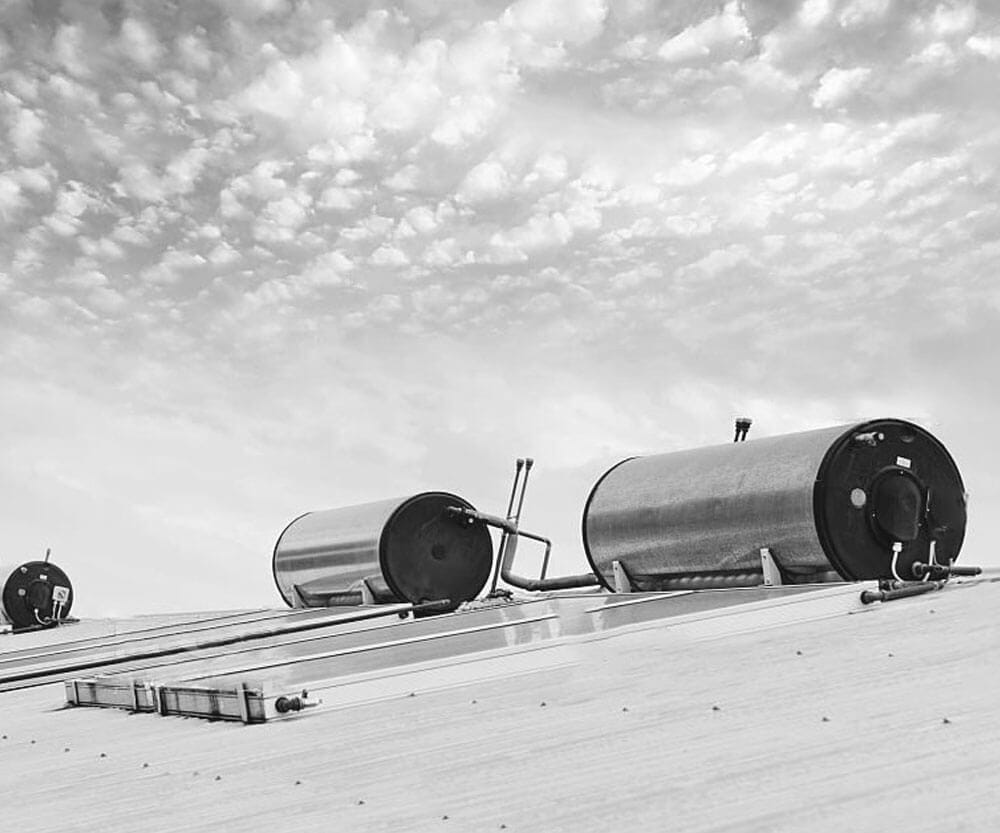
A solar water heater is a device that utilizes solar energy to heat water, It is made up of a solar collector, which is typically installed on the roof, and a storage tank for the heated water, The collector absorbs the sun’s energy and transfers it to the water, which is then stored in the tank, The heated water is then distributed throughout the building for use in showers and other fixtures
Solar water heaters can be an energy-efficient and cost-effective way to generate hot water, particularly in regions with high levels of sunlight
The appropriate solar heater capacity can be calculated based on the number of individuals by determining the hot water usage per person and then multiplying that by the number of individuals
The hot water usage per person can be determined by considering factors such as the number of showers or baths taken per day, the length of each shower or bath, and the desired temperature of the water, Once the hot water usage per person has been determined, it can be multiplied by the number of individuals to get the total hot water usage for the household, This total hot water usage can then be used to determine the appropriate solar heater capacity
Click here to know the average that you will need per day ..
Yes it is, but we also use an electric backup heater in conjunction with the solar water heater to maintain the availability of hot water during the winter when the sun’s rays are not sufficient to fully heat the water
A backup heater can be used to supplement a solar water heater and ensure that hot water is always available, even on the shortest and cloudiest of days.
Yes, it is possible to use a solar water heater to heat swimming pool water, Solar water heaters work by absorbing energy from the sun and using it to heat water, which can then be circulated through a pool heating system
This can be a cost-effective and environmentally friendly way to heat a swimming pool, as it reduces the need for electricity or gas